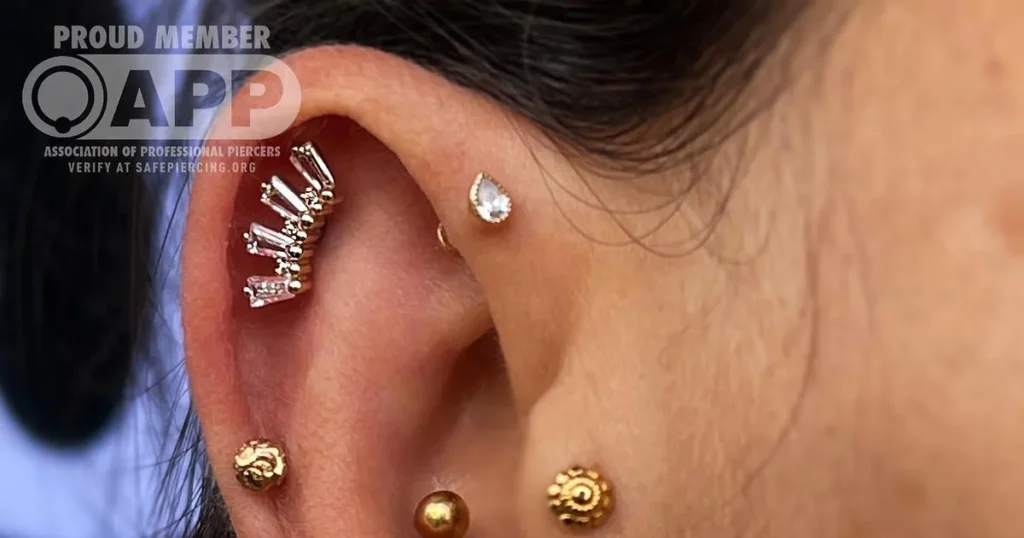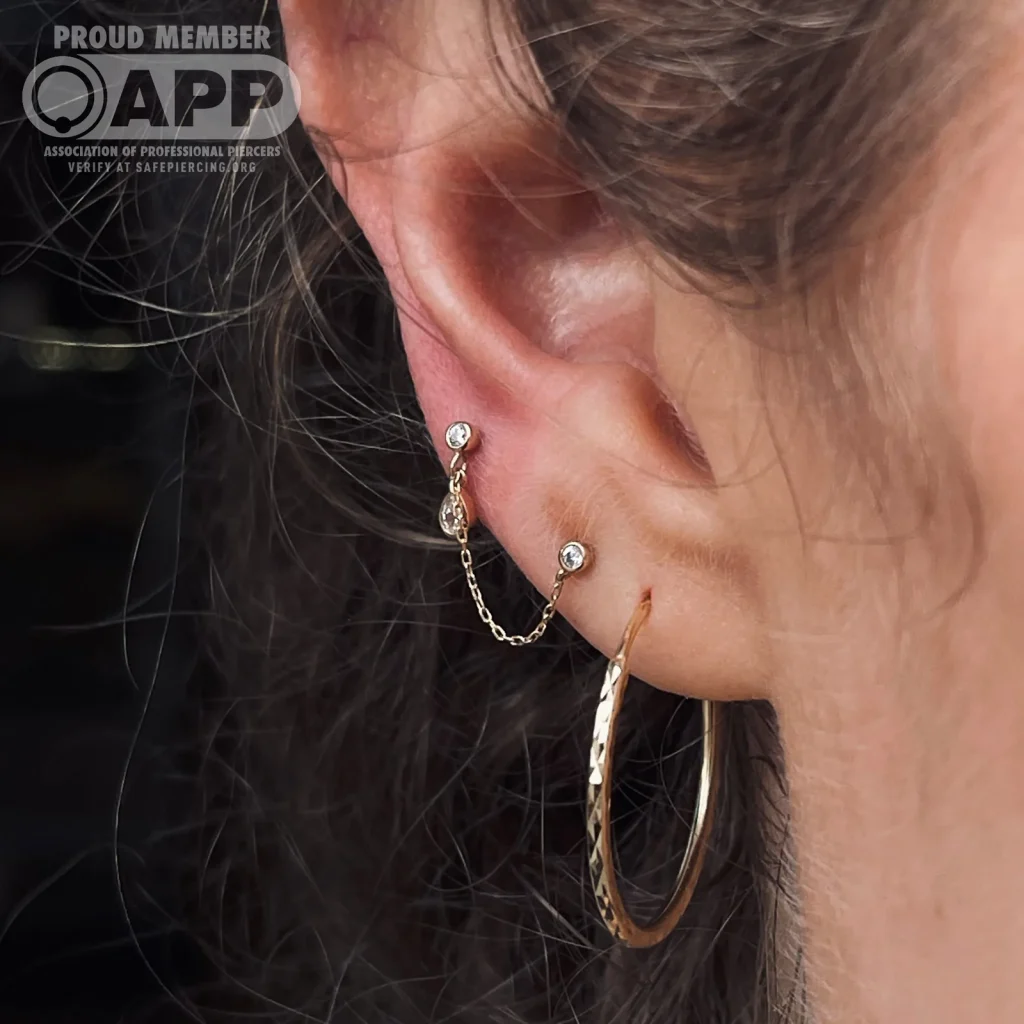
Do you need to remove your piercing before an MRI? The answer depends on the jewelry material, the location of the piercing, the area being scanned, and the MRI facility's safety protocol.
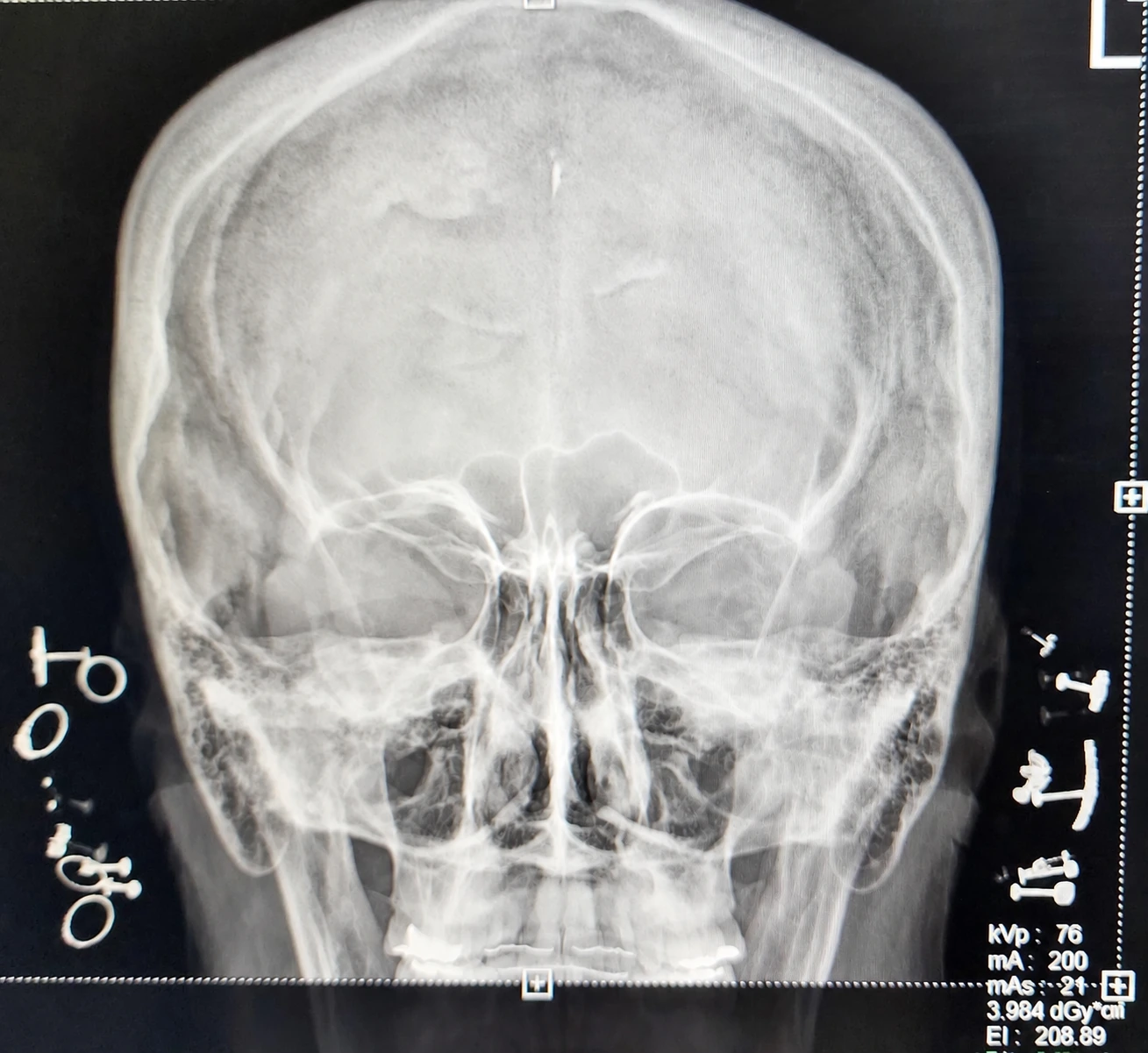
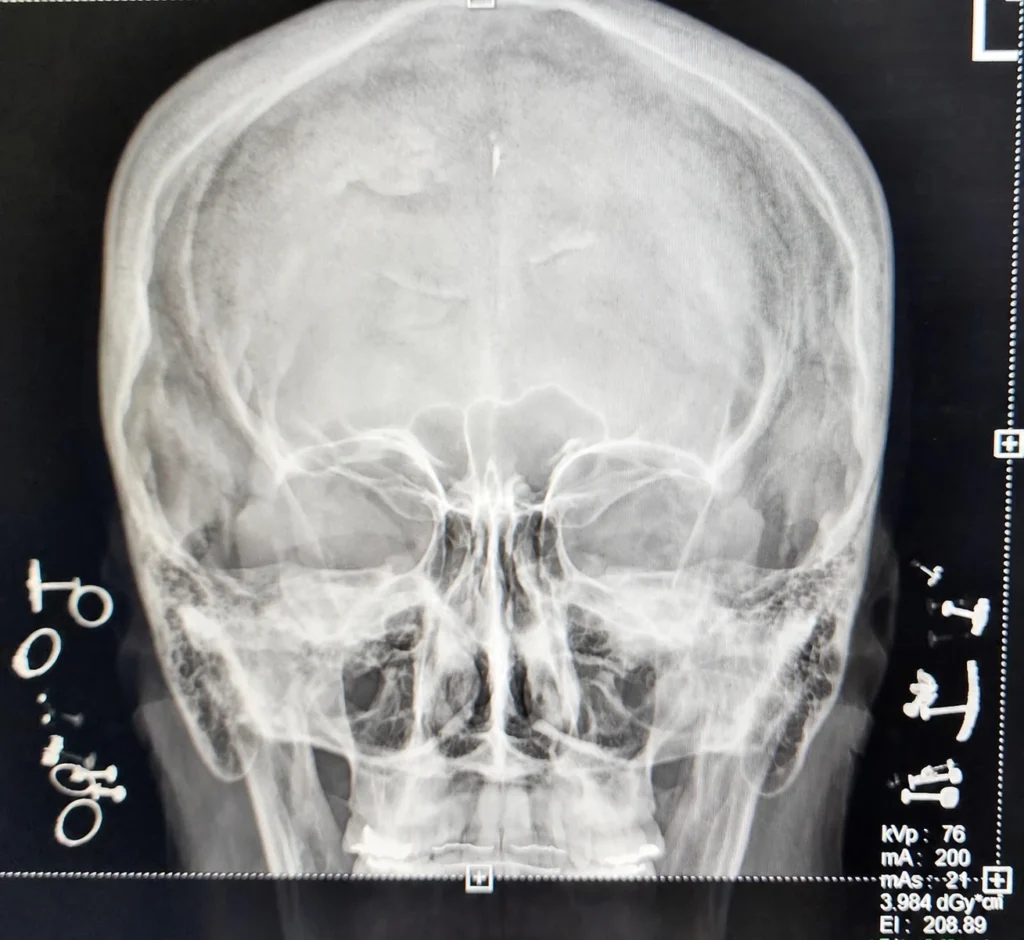
Do You Have to Remove a Piercing Before an MRI?
Many people are told to remove all jewelry before an MRI. This can be confusing, especially when a piercing is made from high-quality titanium or another material commonly used for professional body jewelry.
The important point is that not every piercing jewelry item is made from the same material, and not every MRI facility follows exactly the same preparation procedure.
High-quality body jewelry made from appropriate implant-grade materials is generally non-ferromagnetic. However, an MRI facility may still require jewelry to be removed as part of its standard safety protocol, or because the jewelry could interfere with the images.
If the MRI team asks you to remove your jewelry, do not assume that your piercing is exempt simply because it is made from titanium or gold.
Why Do MRI Centers Ask Patients to Remove Jewelry?
MRI uses a very strong magnetic field and radiofrequency energy to create detailed images of the body. Because of the environment around the MRI scanner, patients are routinely asked to remove readily removable metallic personal belongings and devices, including jewelry and body piercings.
The American College of Radiology (ACR) MR Safety guidance includes jewelry and body piercings among items addressed during MRI preparation.
This does not mean that every professional piercing jewelry item is dangerously attracted to the MRI magnet. It means that the MRI team must follow its safety procedures and determine what can remain in place for a particular examination.
Is Titanium Safe for an MRI?
Titanium is one of the most common materials used for high-quality body jewelry. Appropriate implant-grade titanium is generally considered non-ferromagnetic, which is very different from materials that are strongly attracted to a magnetic field.
However, simply seeing the word “titanium” on a product does not tell you everything you need to know about the material.
There are different grades and specifications of titanium. Professional body jewelry should be manufactured from material that meets recognized implant-material standards and should be supported by appropriate documentation.
- ASTM F136
- ASTM F1295
- ISO standards applicable to implant materials
The Association of Professional Piercers (APP) Body Jewelry Verification Program establishes quality requirements for manufacturers and materials used in professional body jewelry.
Is Gold Safe for an MRI?
Gold jewelry is not automatically the same as professional body jewelry simply because it is described as “gold.”
The composition, karat, alloys, construction and manufacturing process all matter. Professional body jewelry manufacturers use specific materials and manufacturing standards designed for body piercing applications.
This is one reason why a professional piercer should be able to tell you what material your jewelry is made from rather than relying only on the appearance of the jewelry.
If an MRI center asks you to remove gold jewelry, follow the MRI team's instructions regardless of the jewelry's quality or price.
What Is a Mill Certificate?
When discussing professional body jewelry, you may come across the term Mill Certificate.
A Mill Certificate is documentation relating to the chemical and physical properties of the raw material used to manufacture the jewelry. It can identify the material specification and provide traceability to a particular material batch.
The APP's Mill Certificate Criteria explains the type of information and traceability expected from appropriate material documentation.
What Does the APP Have to Do With Piercing Jewelry?
The Association of Professional Piercers (APP) is an international health and safety organization for professional body piercing.
The APP's jewelry standards and Body Jewelry Verification Program focus on material quality, manufacturing practices, documentation and other factors important for safe professional body jewelry.
This is different from saying that the APP “approves jewelry for MRI.” MRI safety decisions are made according to the requirements of the MRI facility and the specific examination.
You can also review the APP's Piercing FAQ and Jewelry for Initial Piercings for additional information about professional piercing jewelry.
Professional Piercing at URBAN BODY
At URBAN BODY , professional piercing is based on anatomy, appropriate jewelry selection and recognized professional standards.
Our English piercing guide explains the materials and jewelry used at the studio, including implant-grade ASTM F136 and ASTM F1295 titanium and 14K and 18K gold.
You can also explore our complete guide to ear piercing types or our detailed Helix piercing guide .
What If You Cannot Remove Your Piercing?
This is especially important with newer piercings. A piercing channel can begin to shrink or close surprisingly quickly when jewelry is removed.
If your MRI facility requires the jewelry to be removed, do not simply take the jewelry out and leave the piercing empty for several hours without considering the condition and age of the piercing.
The Association of Professional Piercers recommends planning ahead for medical procedures when jewelry needs to be removed and discussing the possibility of using a non-metallic retainer with a professional piercer.
What Is a Retainer?
A retainer is a temporary piece of jewelry designed to keep a piercing channel open when regular jewelry needs to be removed.
Depending on the piercing and the requirements of the procedure, a professional piercer may be able to use an appropriate BioPlast or glass retainer.
The correct retainer depends on the piercing, its size, its age and the requirements of the medical procedure. Not every retainer is appropriate for every situation.
- Ask the MRI center in advance whether your jewelry must be removed.
- Find out which piercings are affected.
- Do not remove a fresh or difficult-to-remove piercing without professional advice.
- If appropriate, arrange a professional jewelry change or retainer insertion before the MRI.
- Follow the MRI team's instructions when you arrive for the examination.
Can a Professional Piercer Help Before an MRI?
Yes. If you have a piercing that may be difficult to remove, it is better to plan ahead rather than arrive at the MRI center and discover that the jewelry must come out immediately.
A professional piercer can assess the piercing, identify the jewelry and, when appropriate, remove the jewelry or replace it temporarily with a suitable retainer.
If the jewelry needs to be replaced after the MRI, a professional piercer can also help return the original jewelry safely and correctly.
For professional piercing assistance, visit URBAN BODY's professional piercing page .
What About Piercings Located Near the Area Being Scanned?
The location of the piercing matters because jewelry can sometimes create artifacts or distortions in MRI images.
Even when a particular piece of jewelry is not strongly attracted to the MRI magnet, it may still affect image quality if it is close to the area being examined.
For this reason, the MRI team may ask for jewelry to be removed depending on what part of the body is being scanned.
What Should You Do Before Your MRI?
The safest approach is simple: ask before the appointment.
Tell the MRI center that you have body piercings and ask specifically whether they need to be removed for your examination.
If the answer is yes and the piercing is difficult to remove, contact your professional piercer before the appointment rather than waiting until the last minute.
Do not rely only on the fact that your jewelry is titanium, gold or from a professional manufacturer. The MRI facility has the final say regarding what can remain in the scanner environment.
Frequently Asked Questions
Do I need to remove my piercing before an MRI?
You may be asked to remove it. MRI facilities commonly require patients to remove readily removable jewelry and body piercings, while the exact requirements can depend on the examination and the facility's protocol.
Is titanium piercing jewelry safe for MRI?
Appropriate implant-grade titanium is generally non-ferromagnetic, but the MRI facility may still require the jewelry to be removed because of its safety protocol or because it could interfere with imaging.
Do I have to remove gold piercing jewelry before an MRI?
Follow the MRI facility's instructions. Gold jewelry can vary in composition, and the MRI team may require removable jewelry to be taken out regardless of its quality.
What if my piercing is new and I cannot leave it empty?
Contact a professional piercer before the MRI. In appropriate cases, a suitable temporary retainer may help maintain the piercing channel.
What is a piercing retainer?
A retainer is a temporary piece of jewelry used to keep a piercing channel open when regular jewelry needs to be removed. Depending on the situation, BioPlast or glass may be appropriate.
Can a piercer remove my jewelry before an MRI?
Yes. A professional piercer can help with difficult jewelry removal and, when appropriate, replace the jewelry with a temporary retainer.
Can piercing jewelry interfere with MRI images?
It can, particularly when the jewelry is located near the area being examined. The MRI team will determine whether removal is necessary.
What is a Mill Certificate for piercing jewelry?
A Mill Certificate documents the chemical and physical properties of the raw material and provides material-batch traceability. It is part of quality documentation and is not the same as individual laboratory testing of every finished piece.
Does the APP approve jewelry for MRI?
The APP's jewelry programs address material quality, manufacturing practices and documentation. They should not be interpreted as blanket MRI approval. MRI safety decisions belong to the MRI facility and its safety protocol.
Who should I ask if I am unsure about my piercing before an MRI?
Ask the MRI center about its specific requirements and consult a professional piercer if you need help identifying, removing or temporarily replacing your jewelry.
Professional Piercing in Tel Aviv
At URBAN BODY, we focus on professional piercing, high-quality body jewelry and proper jewelry selection for each piercing.
We work with professional jewelry manufacturers and materials used in the body-piercing industry, including implant-grade titanium and high-quality gold.
If you have an upcoming MRI and are unsure what to do with your piercing, contact the studio before your appointment so the jewelry can be assessed and the appropriate next step can be planned.
Explore Professional Piercing at URBAN BODY | Explore Ear Piercing Types | Read the Helix Guide
Information in this article is provided for general educational purposes and does not replace instructions from your MRI facility or medical professionals.